
EcoEngineers Promotes Chelsa Oren to Ethanol and Biodiesel Services Director

The following is an article originally published by EIN Presswire as provided by StoryStore, LLC on December 3, 2025.

Industry Expert to Lead Expanded Compliance, Verification and Decarbonization Services for Biofuels Producers

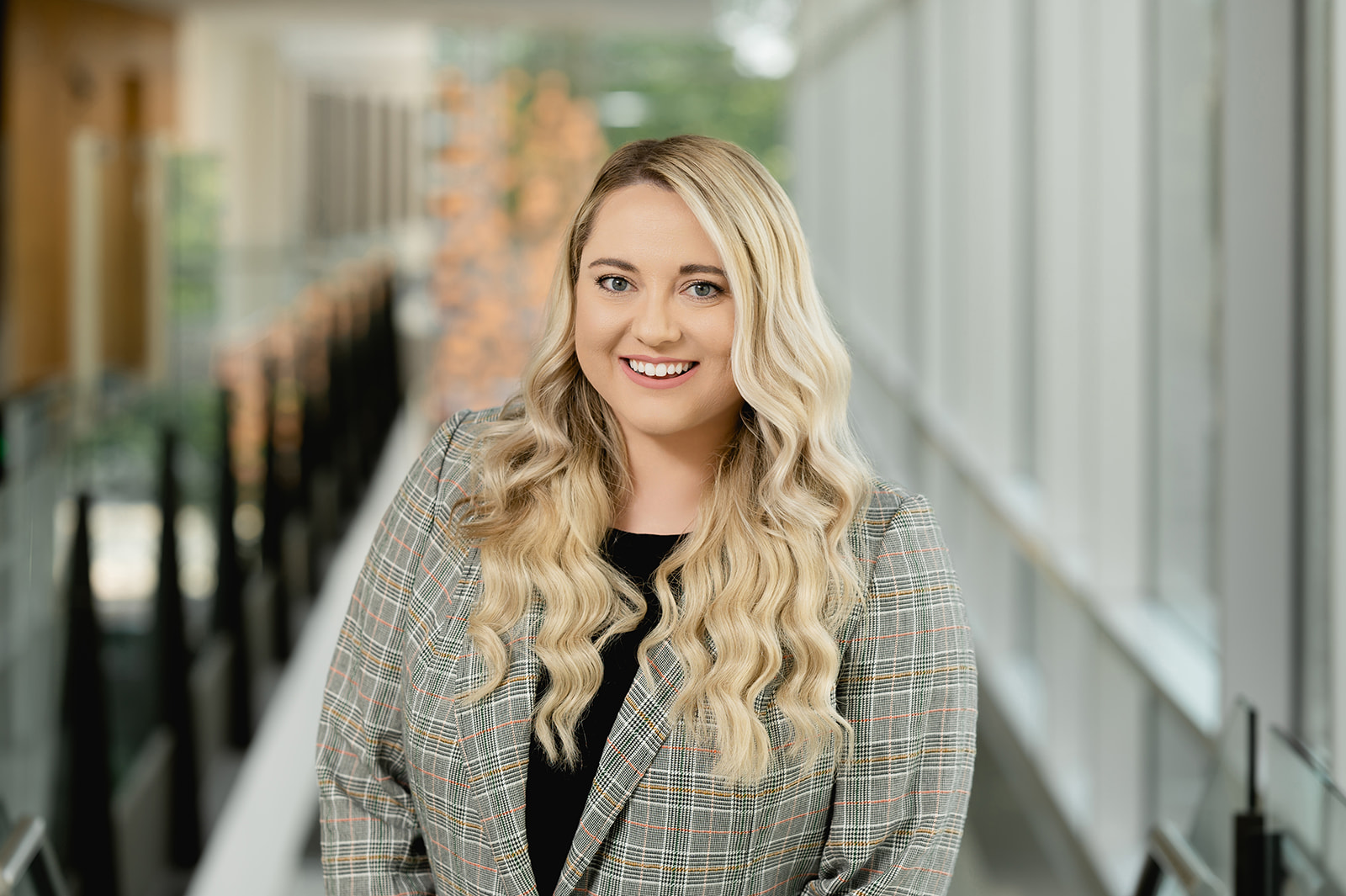
Chelsa Oren

DES MOINES, IA, UNITED STATES, December 3, 2025 /EINPresswire.com/ — EcoEngineers, a clean energy consulting, auditing and advisory firm recently acquired by leading risk management partner LRQA, today announced the promotion of Chelsa Oren to ethanol and biodiesel services director.

In her new role, Oren will oversee EcoEngineers’ growing portfolio of regulatory, carbon intensity (CI) modeling and verification services in line with global standards. This includes the U.S. Renewable Fuel Standard (RFS), California’s Low Carbon Fuel Standard (LCFS), Canada’s Clean Fuel Regulations (CFR), emerging 45Z federal tax credit requirements and the global expansion of voluntary and compliance-driven carbon markets.

Oren joined EcoEngineers nearly five years ago and is widely recognized for her ability to help ethanol and biodiesel producers simplify increasingly complex compliance landscapes. A geologist by training, she began her career in North Dakota’s oilfields before transitioning into biofuels, bringing with her a rare technical rigor and cross-sector understanding of energy systems.

Oren’s consulting and analytical expertise has supported dozens of ethanol facilities across North America and enabled millions of dollars in credit revenue by helping producers stack eligible credits, navigate multi-program registration and verification timelines for timely market access, and secure compliant D3 pathway registrations without delays or complications. 

“Chelsa has a gift for turning complexity into clarity,” said Shashi Menon, “As regulations evolve and programs converge, producers need a knowledgeable, trusted partner who can help them navigate CI modeling, verification, and multi-market strategies with confidence. Chelsa has already proven she is that partner for clients across the industry.”

Oren’s new responsibilities include enhancing service delivery for producers operating under multiple programs, improving process efficiency and strengthening EcoEngineers’ offerings across verification, reporting and advanced market analysis.

“I’m honored to step into this role at such a pivotal moment for our industry,” said Oren. “My goal is to help producers operate more efficiently, especially those engaged in multiple programs and to make compliance smoother, faster and more effective. There is a tremendous opportunity right now, and EcoEngineers is committed to helping our clients grow.”

45Z and RSB Updates Under Oren’s Leadership

In her new role, Oren is sharpening EcoEngineers’ focus on several high-impact service areas. She is leading the expansion of 45Z verification readiness, helping producers prepare for eligibility reviews and documentation requirements as final IRS guidance is pending. She is also enhancing multi-program verification efficiency, including a bundled CFR–LCFS offering designed to streamline compliance for producers operating in both markets.

Looking ahead, Oren is helping drive EcoEngineers’ pursuit of Roundtable on Sustainable Biomaterials (RSB) certification body accreditation to conduct verification under the European Renewable Energy Directive (RED). This accreditation covers biofuels, biogas, sustainable aviation fuel (SAF), and synthetic fuels for compliance in the Europe Union Renewable Energy Directive (RED), United Kingdom (UK) Renewable Transport Fuel Obligation (RTFO), and global markets, and enables the company to verify SAF under the Carbon Offsetting and Reduction Scheme for International Aviation (CORSIA).

About EcoEngineers
EcoEngineers, an LRQA company, is a consulting, auditing, and advisory firm exclusively focused on the energy transition and decarbonization. From innovation to impact, EcoEngineers helps its clients navigate the disruption caused by carbon emissions and climate change. Its team of engineers, scientists, auditors, consultants and researchers live and work at the intersection of low-carbon fuel policy, innovative technologies, and the carbon marketplace. For more information, visit www.ecoengineers.us.

About LRQA
LRQA is the leading global risk management partner. Through its connected risk management solutions, LRQA helps clients navigate an evolving global landscape to keep organizations one step ahead. From certification and cybersecurity to safety, sustainability and supply chains, LRQA works with clients to identify risks across their businesses. LRQA’s team of experts then creates smart, scalable solutions, tailored to help organizations prepare, prevent and protect against risk.

Through relentless client focus, backed by decades of sector-specific expertise, data-driven insight and on-the-ground specialists across assurance, certification, inspection, advisory and training, LRQA supports over 61,000 organizations in more than 150 countries. More: https://www.lrqa.com

EcoEngineers Named Finalist for 2025 Sustainability Consultancy Award

EcoEngineers is proud to share that we have been shortlisted for the 2025 Sustainability Consultancy Award by Sustainability Magazine. The Global Sustainability Awards 2025 celebrate organizations and individuals that are leading the way in environmental stewardship, social responsibility, and sustainable innovation. 

Earlier this year, EcoEngineers was also recognized by Sustainability Magazine as one of the Top 10 Sustainable Consulting Firms globally. This dual recognition underscores the strength of our integrated approach, combining regulatory expertise, technical insight, and market intelligence to support decarbonization strategies across sectors. 

To view the full list of finalists and learn more about the Global Sustainability Awards, visit: https://sustainabilitymag.com/sustainability/global-sustainability-awards-shortlists-for-2025-revealed 

Winners will be announced at the Global Sustainability Awards ceremony on September 10, 2025, coinciding with Sustainability LIVE: London.

About EcoEngineers

EcoEngineers, an LRQA company, is a consulting, auditing, and advisory firm exclusively focused on the energy transition and decarbonization. From innovation to impact, EcoEngineers helps its clients navigate the disruption caused by carbon emissions and climate change. Its team of engineers, scientists, auditors, consultants, and researchers live and work at the intersection of low-carbon fuel policy, innovative technologies, and the carbon marketplace. For more information, visit www.ecoengineers.us.

Section 45V Clean Hydrogen Tax Credit: Where Things Currently Stand

As the U.S. Congress continues its 2025 budget reconciliation process, industry stakeholders continue to monitor the fate of the Inflation Reduction Act’s (IRA) Section 45V Clean Hydrogen Production Tax Credit. The bill, first introduced by the House Ways and Means Committee on May 12, 2025, and advanced by the House Budget Committee on May 18, 2025, as currently written, terminates the Section 45V clean hydrogen tax credit as of January 1, 2026. 

Stakeholders and Policymakers Respond

Since the release of that draft bill, several industry stakeholders and policymakers have made public pronouncements indicating their support for preserving the Section 45V clean hydrogen tax credit. 

Over 100 industry stakeholders, including EcoEngineers, the American Petroleum Institute (API), and the American Biogas Council (ABC), have signed a letter sent by the Fuel Cell and Hydrogen Energy Association (FCHEA) to House Speaker Mike Johnson urging House leadership to preserve Section 45V “without any new restrictions.”

Two days after the House’s reconciliation bill was made public, Sen. Shelley Moore Capito (R-WV), Chair of the Senate Environment and Public Works Committee, indicated a desire to review the proposed termination of Section 45V, citing a clean hydrogen hub in her home state of West Virginia, which was slated to receive nearly $1 billion from the U.S. Department of Energy (USDOE). Regarding the renewable energy tax credits contained in the IRA, Sen. Capito was quoted as saying, “There has been job creation around these tax credits.”

Similarly, Sen. Thom Tillis (R-NC), who sits on the Senate Finance Committee, stated, “You can’t shock the markets by doing it all at once,” in reference to the House’s proposed termination of clean energy tax credits.

As the situation surrounding the Section 45V clean hydrogen tax credit remains fluid, and with narrow majorities in both the House and Senate, congressional leaders will need to garner support from various members representing disparate geographical regions and interests. Among them will be members of the Fuel Cell and Hydrogen Energy Caucus of the 118th Congress. This caucus is a bipartisan coalition of 39 members of both chambers of Congress who “help educate members of Congress and the public on sustainable and resilient energy solutions.” 

Fate of Section 45V Remains Fluid

At the time of this writing, the budget reconciliation bill continues to be negotiated and working through the House Rules Committee before moving on to a final vote on the floor of the House of Representatives. Once the bill is passed, the reconciliation process will move to committee work in the Senate, before moving to a full Senate floor vote. After passage in both chambers, the two bills will be sent to a conference committee where differences will be reconciled. 

With a sizeable portion of the legislative process still to be completed before the House reconciliation bill becomes law, the termination of the Section 45V clean hydrogen tax credit is far from certain, and its preservation as a catalyst for U.S. domestic clean hydrogen production remains fluid. 

Stakeholders committed to the continued growth of clean hydrogen production in the United States can actively work to preserve the Section 45V clean hydrogen tax credit by contacting their congressional representatives and senators. By ensuring policymakers appreciate the significant impact of the growing domestic U.S. clean hydrogen production sector, and the subsequent job creation and positive economic benefits that stem from that production, the preservation of the Section 45V clean hydrogen tax credit can continue to fuel clean, low-carbon hydrogen production for years to come. 

READ MORE: For further insight into the Section 45V clean hydrogen tax credit, check out the webinar EcoEngineers recently conducted here.

For information about EcoEngineers’ Hydrogen services and capabilities, contact:

Tanya Peacock, Managing Director, California and Hydrogen | tpeacock@ecoengineers.us  

About EcoEngineers

EcoEngineers, an LRQA company, is a consulting, auditing, and advisory firm exclusively focused on the energy transition and decarbonization. From innovation to impact, EcoEngineers helps its clients navigate the disruption caused by carbon emissions and climate change. Its team of engineers, scientists, auditors, consultants, and researchers live and work at the intersection of low-carbon fuel policy, innovative technologies, and the carbon marketplace. For more information, visit www.ecoengineers.us.

EcoEngineers Joins LRQA

LRQA, the leading global assurance partner, has acquired EcoEngineers. 

LRQA is the leading global assurance partner, bringing together decades of unrivalled expertise in assessment, advisory, inspection and cybersecurity services. LRQA’s solutions-based partnerships are supported by data-driven insights that help its clients solve their biggest business challenges. Operating in more than 150 countries with a team of more than 5,000 people, LRQA’s award-winning compliance, supply chain, cybersecurity, and ESG specialists help more than 61,000 clients across almost every sector to anticipate, mitigate and manage risk wherever they operate. 

The integration with LRQA enhances Eco’s U.S. presence while supporting our expansion into the European market, where sustainability regulations continue to gain momentum. 

EcoEngineers offers deep technical expertise in low-carbon production, climate regulations, carbon markets, and innovative technologies – areas in high demand amid growing regulatory complexity and uncertainty. 

Against this backdrop, businesses still need to respond to pressures from investors, consumers and stakeholders to uphold transparency and integrity in their climate commitments. As a result, many are turning to low-carbon fuels such as biofuels, renewable natural gas (RNG) and hydrogen to decarbonise operations. Businesses therefore need specialist guidance on these fuels, the corresponding regulations – such as California’s Low Carbon Fuel Standard (LCFS) and the EU’s Emissions Trading System (ETS) – and the enabling technologies. This acquisition directly addresses those needs. 

Ian Spaulding, CEO for LRQA, said: 

“This acquisition is a truly exciting expansion of LRQA’s existing capabilities in carbon accounting, greenhouse gas (GHG) verification and sustainability strategy, and we’re thrilled to welcome EcoEngineers to the team and to continue driving real impact for our clients, people and planet. The regulatory landscape remains complex, with shifting state and international policies influencing corporate sustainability strategies. That’s why, together with EcoEngineers, we’re here to help clients navigate that landscape.” 

Shashi Menon, CEO for EcoEngineers, said: 

“Joining LRQA is an exciting step forward for our team and our clients. We have built our reputation on delivering rigorous, science-based solutions to support businesses in their energy transition journeys. By integrating with LRQA, we gain the scale and global reach needed to expand our impact, while remaining true to our mission of ensuring credibility in carbon accounting and emissions verification.” 

As part of the acquisition, LRQA gains over 120 sustainability experts from Eco to further strengthen its capabilities. In turn, the integration enhances Eco’s U.S. presence while supporting its expansion into the European market, where sustainability regulations continue to gain momentum. 

Our companies share a joint vision of shaping a better future for our people, our clients, our communities, and our planet – and we are very pleased to join the LRQA team. 

LRQA was advised by DLA Pipier (legal) and KPMG (financial and tax). EcoEngineers was advised by Finley Law (legal) and GreenFront Energy Partners (exclusive financial advisor). 

For more information, please contact clientservices@ecoengineers.us. 

Summary of California Office of Administrative Law’s Pause on CARB’s LCFS Amendments

On February 18, 2025, California’s Office of Administrative Law (OAL) issued a release disapproving the state’s Air Resources Board’s (CARB) amendments to the Low Carbon Fuel Standard (CA-LCFS). Originally approved by CARB’s board in November 2024, these amendments were aimed at further reducing greenhouse gas (GHG) emissions and supporting cleaner transportation fuels in California. However, OAL identified inconsistencies with the clarity standard outlined in Government Code section 11349(c), leading to the disapproval of the amendments.

CARB has 120 days to address the concerns identified by the OAL. While non-substantial changes will be added to the rulemaking record, any substantive modifications will undergo a public comment period before finalization. Meanwhile, CARB will continue implementing the existing LCFS regulation that has been in effect since July 2020.

The CA-LCFS in its current form may lead to an overproduction of credits, exacerbating the existing oversupply situation. The delay in implementing the amended targets means that obligated parties participating in the CA-LCFS must continue operating under the old compliance curve, which may not sufficiently address market imbalances. Without the updated targets, surplus credits could continue to accumulate, potentially impacting credit prices and the overall effectiveness of the program in driving emissions reductions.

EcoEngineers is Here to Help

EcoEngineers is following this process closely to assess the potential impacts on its clients. Our team is prepared to help businesses navigate any regulatory changes that may arise from the CA-LCFS amendment review process. We are committed to keeping our clients informed and prepared for any changes in California’s low-carbon fuel landscape.

If you have questions or would like to discuss how these regulatory developments may affect your operations, please email Lisa Hanke, Regulatory Engagement Director, at lhanke@ecoengineers.us.

IRA Section 45Z Guidance: What Clean Fuel Producers Need to Know

By Lisa Hanke, Regulatory Engagement Director, EcoEngineers

On January 10, 2025, the U.S. Department of the Treasury (Treasury) and the Internal Revenue Service (IRS) released the long-awaited guidance of the Section 45Z Clean Fuels Production Tax Credit (PTC) under the Inflation Reduction Act of 2022 (IRA). 

The guidance aims to provide initial clarity on the requirements for claiming the Section 45Z tax credit, which is designed to incentivize the production of clean transportation fuels such as ethanol, renewable natural gas (RNG), renewable diesel, and sustainable aviation fuel (SAF). The guidance also solicits public comments, which are due by April 10, 2025. 

Key Components of the Section 45Z Guidance

One of the key components of the Section 45Z guidance is the release of the 45ZCF-GREET model and its user manual. The 45ZCF-GREET model is a specific version of the Greenhouse Gases, Regulated Emissions, and Energy Use in Technologies (GREET) model developed to determine emission rates of transportation fuels. The model is straightforward with few inputs for users to enter. Most inputs are fixed and cannot be changed. Depending on the producer, this can make it easier to use the calculator but it reduces some optionality. The model provides a baseline for avoided emissions in manure and for landfill RNG projects. The proposed regulations would provide an emission rate substantiation safe harbor for non-SAF transportation fuel by obtaining third-party certification.

Energy attribute certificates (EACs) are permitted as is carbon capture and sequestration (CCS) to achieve a lower emission rate. However, it does not currently incorporate Climate Smart Agriculture (CSA) practices in its calculations. The U.S. Department of Agriculture (USDA) also released Technical Guidelines for Climate-Smart Agriculture Crops Used as Biofuel. The final rule is expected to be incorporated into the Section 45ZCF-GREET model at a later date.

Foreign Feedstock and Emissions Rate Table

The guidance currently does not allow foreign used cooking oil (UCO) as a feedstock citing concerns of potential fraud; however, the Treasury and IRS indicated that specific guidance on traceability requirements for foreign UCO will be released at a later date. 

The guidance document also includes an annual emissions rate table. Currently, only feedstock pathways included in this table can generate Section 45Z tax credits. Those not included must submit a Provisional Emissions Rate (PER). Future guidance will be released in the process of submitting a PER. 

SAF producers may use either the 45ZCF-GREET model or methodologies from the International Civil Aviation Organization (ICAO). Third-party certification is currently required for SAF. 

In summary, the Section 45Z guidance and 45ZCF-GREET model issued in January 2025 delivers important information for producers of clean transportation fuels, as well as provide the opportunity for public comment. Clean fuel producers and stakeholders are encouraged to submit public comments on the current proposed regulation and upcoming guidance related to PERs, feedstock baselines, foreign feedstocks, and the integration of the Renewable Fuel Standard (RFS) into Section 45Z tax credit. 

How EcoEngineers Can Help

Navigating the complexities of the Section 45Z tax credit can be challenging for producers of clean transportation fuels. EcoEngineers specializes in helping clients understand and comply with regulatory requirements, including the latest Section 45Z guidance. Our experienced team can help you calculate emissions rates with the 45ZCF-GREET model and prepare for future verification and validation, ensuring you fully benefit from the Section 45Z tax credit. We are committed to ensuring that our clients can maximize their tax credit benefits while maintaining compliance with all regulations. 

Contact your account manager or clientservices@ecoengineers.us to learn how we can help you navigate the Section 45Z guidance and achieve your clean fuel production goals.

Ensure CA-LCFS, OR-CFP Compliance with EcoEngineers’ AFPR Verification Services

Fuel producers and importers operating in California and Oregon are required to submit Annual Fuel Pathway Reports (AFPRs) to demonstrate the carbon intensity (CI) of their fuels. Accurate verification of these reports is essential to maintaining compliance, maximizing credit generation, and avoiding potential penalties.

California’s Low Carbon Fuel Standard (CA-LCFS) and Oregon’s Clean Fuels Program (OR-CFP) require entities to submit AFPRs, which include detailed accounts of fuel production processes, lifecycle CI, and emissions data. The AFPRs are submitted by fuel producers and importers to the California Air Resources Board (CARB) and the Oregon Department of Environmental Quality (OR-DEQ). Verified and validated AFPRs help ensure that reported data is accurate, transparent, and in full compliance with regulatory requirements, safeguard businesses against compliance risks, and enhance the integrity of carbon credit generation.

EcoEngineers’ AFPR Verification Expertise

As one of the first CARB-accredited verification bodies, EcoEngineers has extensive experience with the CA-LCFS and OR-CFP programs. We specialize in verifying life-cycle analysis (LCA) models, process flows, greenhouse gas (GHG) emissions, and regulatory compliance. Our expertise ensures accurate, defensible verification statements to help clients navigate complex reporting requirements with confidence.

EcoEngineers is an industry leader in CA-LCFS fuel pathway validation and verification, with 20 Lead Verifiers on staff and 600 CA-LCFS validations and verifications completed. Our experienced team specializes in a wide range of fuel pathways, including:

  • Biomethane from dairy/swine manure
  • Biomethane from landfills/wastewater treatment plants
  • Starch and fiber ethanol
  • Sugarcane-derived ethanol
  • Biodiesel and renewable diesel
  • Liquified natural gas (LNG) and liquified compressed natural gas (L-CNG)
  • Anaerobic digestion of wastewater sludge
  • Anaerobic digestion of organic waste

We are an accredited CA-LCFS and Mandatory Reporting Regulation (MRR) verification body with the CARB and an accredited CFP verification body with the OR-DEQ. We are also accredited by the American National Standards Institute (ANSI) National Accreditation Board (ANAB) as a GHG verification body in accordance with ISO 17029:2019; ISO 14065:2020; and ISO 14064-3:2019.

Contact Us to Learn More

Let’s discuss how Eco can support your CA-LCFS and OR-CFP AFPR verification needs. Contact clientservices@ecoengineers.us today to schedule a consultation.

EcoEngineers’ LCA Academy Teaches How to Measure Farm-to-Fuel Carbon Footprint

The following is an article originally published June 6, 2024, by EINPresswire.

EcoEngineers’ LCA Academy Teaches How to Measure Farm-to-Fuel Carbon Footprint

Federal Agencies Slated to Join, June 25-26 in Des Moines

DES MOINES, Iowa – (EINPresswire.com) — Understanding and implementing life-cycle analyses (LCA) is crucial for farms and agribusinesses to stay ahead of regulatory requirements, consumer expectations for sustainability, and the competitive landscape shaped by environmental disclosures. To help the industry learn how LCAs function and their role in reducing environmental impact, EcoEngineers (Eco) is launching a new executive education program, the LCA Academy, on June 25-26 in Des Moines.

An LCA is a systematic and comprehensive method for evaluating the environmental impact of a product, service, or system from inception to end-of-life. This analysis examines energy usage, raw material extraction, processing inputs, and various outputs throughout each life-cycle stage, including co-products and waste.

READ MORE: Life-Cycle Analysis – The Praxis of Carbon Accounting

Following the passage of the Inflation Reduction Act (IRA), the Internal Revenue Service (IRS) announced that starting in 2025, biofuel tax credit applicants under 45Z will be required to perform an LCA to determine the amount of credit they can receive. Further guidance from the IRS declared a 10-point reduction in a farm’s carbon footprint if it adopted certain regenerative farming practices such as cover cropping, no-till management, or nitrogen management.

“This is the first time the IRS requires an LCA to apply for a biofuel production tax credit,” said Jim Ramm, P.E., director of U.S. Biofuels at Eco. “As climate regulations and tax credits evolve, consumer preferences shift, and opportunities in voluntary carbon markets emerge, LCAs have become the cornerstone of impactful innovations in carbon removal. Now, there is an opportunity for farmers and ethanol producers to take advantage of this.”

Participants in the LCA Academy will learn about LCA concepts, methodologies, and the role of LCA in environmental, social, and governance (ESG), compliance, and conservation. They will gain a deeper understanding of the regulations that require LCAs and the drivers shaping the global marketplace.

Eco’s LCA Academy offers two tracks on the second day. In the Practitioner Track, participants will gain hands-on experience in modeling LCA scores using the Greenhouse gas, Regulated Emissions, and Energy use in Technologies (GREET) model developed by Argonne National Laboratory and modified and used by various federal and state programs.

READ MORE: Understanding and Measuring the Environmental Impact of Clean Hydrogen Production with LCA

In the Executive Track, participants will join a roundtable along with representatives from the U.S. Department of Energy, the U.S. Environmental Protection Agency, and the National Academy of Sciences, Engineering, and Medicine. The roundtable will facilitate a moderated discussion between industry and regulators on creating a consistent LCA approach in policies.

Eco has performed more than 1,000 carbon LCAs on various products, including grains, oils, fuels, plastics, supplements, lubricants, and metals. Eco is adept at utilizing all available LCA tools, delivering a wide range of strategies and solutions to help organizations reach their carbon management and ESG goals.

To learn more about Eco’s LCA Academy and register to attend, CLICK HERE.

About EcoEngineers

EcoEngineers is a consulting, auditing, and advisory firm with an exclusive focus on the energy transition. From innovation to impact, Eco helps its clients navigate the disruption caused by carbon emissions and climate change. Eco helps organizations stay informed, measure emissions, make investment decisions, maintain compliance, and manage data through the lens of carbon accounting. Its team of engineers, scientists, auditors, consultants, and researchers live and work at the intersection of low-carbon fuel policy, innovative technologies, and the carbon marketplace. Eco was established in 2009 to steer low-carbon fuel producers through the complexities of emerging energy regulations in the United States. Today, Eco’s global team is shaping the response to climate change by advising businesses across the energy transition. For more information, visit www.ecoengineers.us.

Join Us: Life-Cycle Analysis Academy

Join Us: Life-Cycle Analysis Academy

A life-cycle analysis (LCA) is a systematic and comprehensive method for evaluating the environmental impact of a product, service, or system, from its inception to its end-of-life. Evolving climate regulations, shifting consumer preferences, and opportunities in voluntary carbon markets all have LCA as their foundation.

We designed the EcoEngineers LCA Academy to help our clients meet the ever-increasing demand for LCAs, while reducing their environmental impact and increasing profitability.

We hope you will join us for one of our upcoming programs:

  • June 25 – 26 in Des Moines, Iowa
  • September 4 – 5 in Houston, Texas

The LCA Academy provides a unique opportunity for industry leaders and practitioners across all sectors to gain insights from our expertise and make a significant impact in your field. The executive track offers a forum for influencing industry trends and regulations – and the practitioner track provides an immersive workshop to gain hands-on experience.

Why Attend an LCA Academy?

abstract brown and gray marble design
Understand LCA concepts, methodologies, and the role of LCA in environmental, social, and governance (ESG), compliance, and conservation
crystal clear sea
Gain a deeper understanding of the regulations that require LCA and drivers that are shaping the global marketplace
aerial view of a city center with buildings
Get hands-on experience in modeling LCA scores using leading technologies and ISO standards in our Practitioner Track
abstract view of antelope canyon in arizona
Gain insights and provide feedback in a roundtable focused on creating a consistent LCA approach in policies in our Executive Track


Link here to learn more and register: https://www.eventcreate.com/e/ecoengineers-lcaacademy

For more information, please contact Stephanie Decker at sdecker@ecoengineers.us.