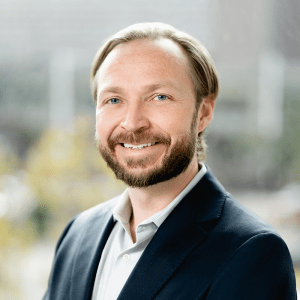
David LaGreca and Dave Lindenmuth are back with Carbon Counts, an informational series exploring how guidance from the Greenhouse Gas Protocol, state and local jurisdictions, and evolving consumer expectations are redefining transparency in emissions accounting.
This episode will feature EcoEngineers’ Climate Risk Director Roxby Hartley, and he along with LaGreca and Lindenmuth will explore how artificial intelligence is shaping carbon accounting. The panel will address three key areas:
Accuracy of AI-generated regulatory interpretations and life-cycle assessments
Policy and regulatory challenges with the technology, including gaps and risks in compliance
Broader impacts of AI, such as increased energy and water consumption by data centers and implications for Scope 3 emissions and ESG reporting
The session will feature real-world examples, debate the ongoing need for human expertise, and discuss the social and environmental consequences of AI adoption in sustainability.
Join David LaGreca and Dave Lindenmuth on an informational series discussing how guidance from the Greenhouse Gas Protocol, state and local jurisdictions, and evolving consumer expectations are shaping the nature of transparency in accounting for emissions.
In this episode they welcome Sam Lehr of Molecule Group as the team explores the organization’s new global industry principles for sustainable fuels, chemicals, and materials. They will examine how these principles aim to harmonize carbon accounting, bridge voluntary and compliance markets, and drive international policy. The session will focus on the challenges and opportunities in standardizing market-based instruments, the role of registries and standards, and actionable steps for industry stakeholders. Ideal for anyone interested in the future of sustainable fuels, carbon accounting, and global market alignment.
Join David LaGreca and Dave Lindenmuth for another live webinar episode of Carbon Counts. They will discuss the latest trends, takeaways, and hot topics from recent conferences and industry events. Plus, they will welcome guest speaker Lisa Hanke, EcoEngineers’ Regulatory Engagement Director, who will provide a timely update on the compliance market landscape.
This session will cover:
Key insights from recent conferences, including London Climate Week.
Discussions on the latest developments in carbon accounting and market trends
Updates on the U.S. Federal Renewable Volume Obligation (RVO) proposal, and the One Big Beautiful Bill Act (OBBBA) tax credits
Emerging signals from compliance markets that are shaping strategies for developers in the U.S. and abroad
A look at the ongoing debates and quality initiatives within the carbon market
ABOUT CARBON COUNTS
LaGreca and Lindenmuth’s webinar series is an informational series discussing how guidance from the Greenhouse Gas Protocol, state and local jurisdictions, and evolving consumer expectations are shaping the nature of transparency in accounting for emissions.
In EcoEngineers’ next iteration of our Carbon Counts series, we are exploring the strategic role of Renewable Natural Gas (RNG) in corporate decarbonization and greenhouse gas (GHG) inventory reporting. This session distills key insights from our new EcoUniversity workshop, RNG in Corporate Sustainability. It offers a practical overview of how RNG is being adopted across sectors—from logistics and utilities to tech and pharma. Whether you’re shaping sustainability strategy or navigating compliance frameworks, this session will equip you with actionable insights to position RNG as a credible, scalable solution in the energy transition.
Carbon accounting is the method and practice of tracking an organization’s greenhouse gas emissions throughout the supply chain process and life cycle of a product or service. Organizations, regulators, and governments are focused on the measurement and reduction of greenhouse gases often grouped into direct (Scope 1) and indirect (Scope 2 and 3) categories, often with competing guidance and goals.
As renewable fuels, carbon removal technologies, and other climate innovations advance in the pursuit of carbon reductions, organizations of all size need to understand how new products and services will impact each entity’s carbon footprint. Join David LaGreca and Dave Lindenmuth on an informational series discussing how guidance from the Greenhouse Gas Protocol, state and local jurisdictions, and evolving consumer expectations are shaping the nature of transparency in accounting for emissions.
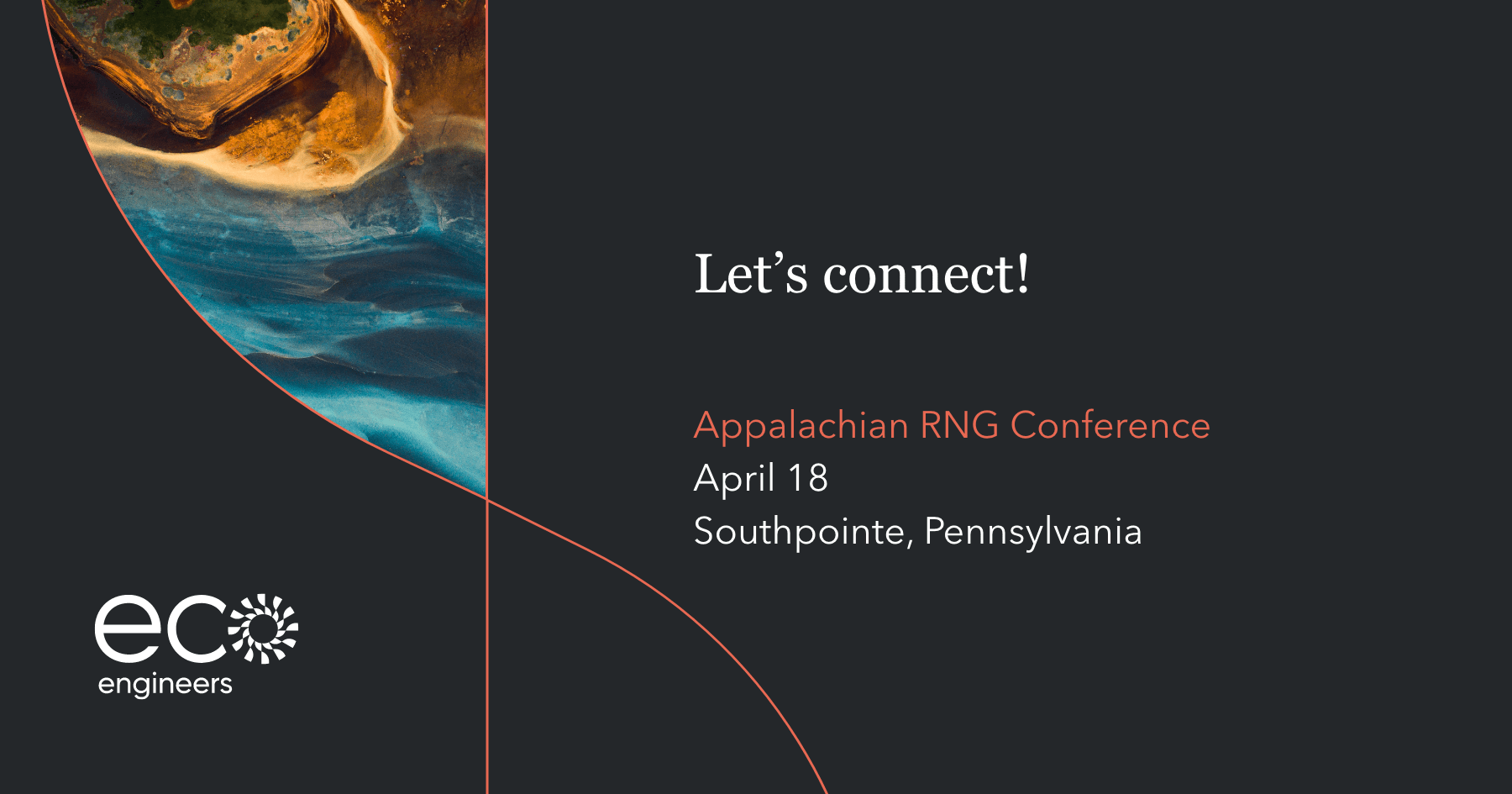
Appalachian RNG Conference – Spring 2024 kicks off the morning of April 18 in Southpointe, Pennsylvania and EcoEngineers is a proud sponsor of this impactful industry event. EcoEngineers’ Dave Lindenmuth, Managing Director of Renewable Natural Gas Services, will share his extensive RNG expertise as a speaker for the event.
More from the organizer:
“The Appalachian RNG III Spring 2024 Conference will provide tremendous information from industry experts who are leading the growth of this burgeoning industry. Scroll down to learn more about our conference and how you can be a part of it. Learn from the leaders!”
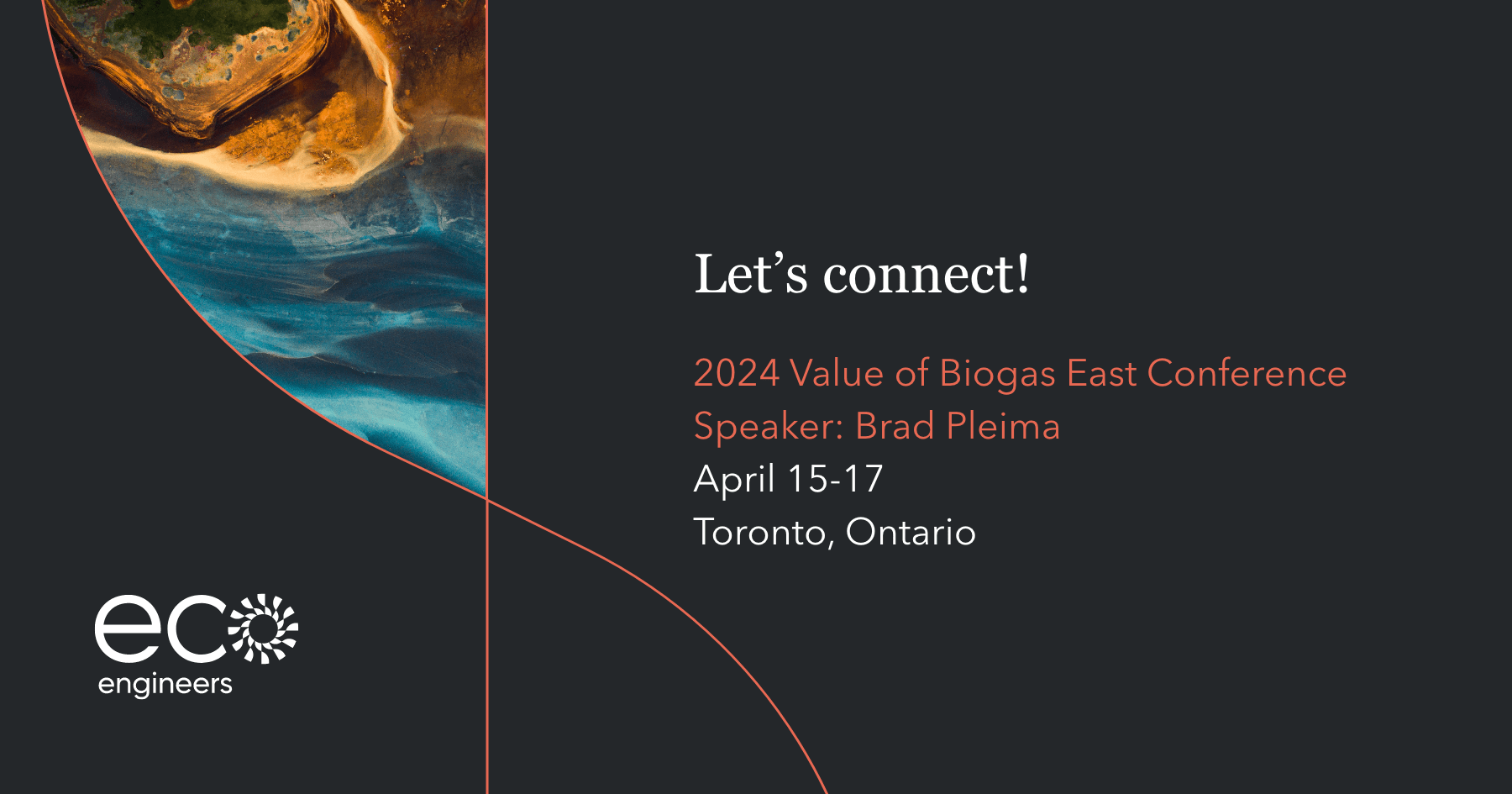
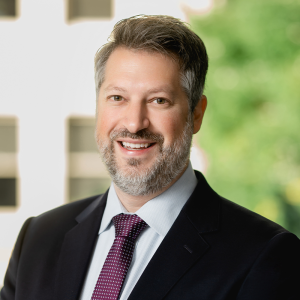
EcoEngineers President Brad Pleima, P.E. is speaking as part of a panel at the 2024 Value of Biogas East Conference in Toronto, Ontario. The panel “Carbon Markets Roundtable” will focus on “the latest development to watch out for as regulatory and voluntary carbon markets evolve in Canada, North America and globally.”
EcoEngineers’ Director of Compliance Consulting Alicia Jones and Carbon Consulting Manager for Renewable Natural Gas Sean Gassen will present for the “Landfill Gas Design and Management” course hosted by the University of Wisconsin-Madison College of Engineering April 3-5. Alicia will discuss “Landfill Gas Markets and Biogas Economics” and Sean will discuss “Pipeline-Grade High-BTU Gas Conversion”on Friday, April 5.
More from the organizer:
April 3 – 5, 2024 • Madison, WI
Learn essential factors in landfill gas management for public image, health protection, and regulatory compliance.
Benefit from expert guidance by top researchers, industry professionals, and practitioners in the field.
Acquire crucial knowledge on gas system design, emissions control, extraction, monitoring, and emerging technologies.
Explore technologies to turn landfills into revenue sources, covering gas-to-energy, gas-to-fuel projects, and biogas economics.
In late June, the U.S. Environmental Protection Agency (USEPA) released the long-awaited Set Rule final language for its Renewable Fuel Standard (RFS). Although the pathway for the generation of Renewable Identification Number (RIN) credits associated with renewable electricity and vehicle charging (eRINs) was removed, other highly significant changes impacting the biogas and renewable natural gas (RNG) industry were retained. One of those important changes includes RIN apportionment between D3 and D5 RINs whereby digesters can now continue to generate D3 RINs through biogas or RNG from wastewater or manure, and further generate D5 RINs through any additional biogas or RNG produced from accepting and co-digesting food waste. This effectively allows digesters to capture D3 RIN revenue that was not previously possible.
Learn more from the technical and regulatory experts at EcoEngineers on how your biogas and RNG projects can benefit from this newly implemented change.